
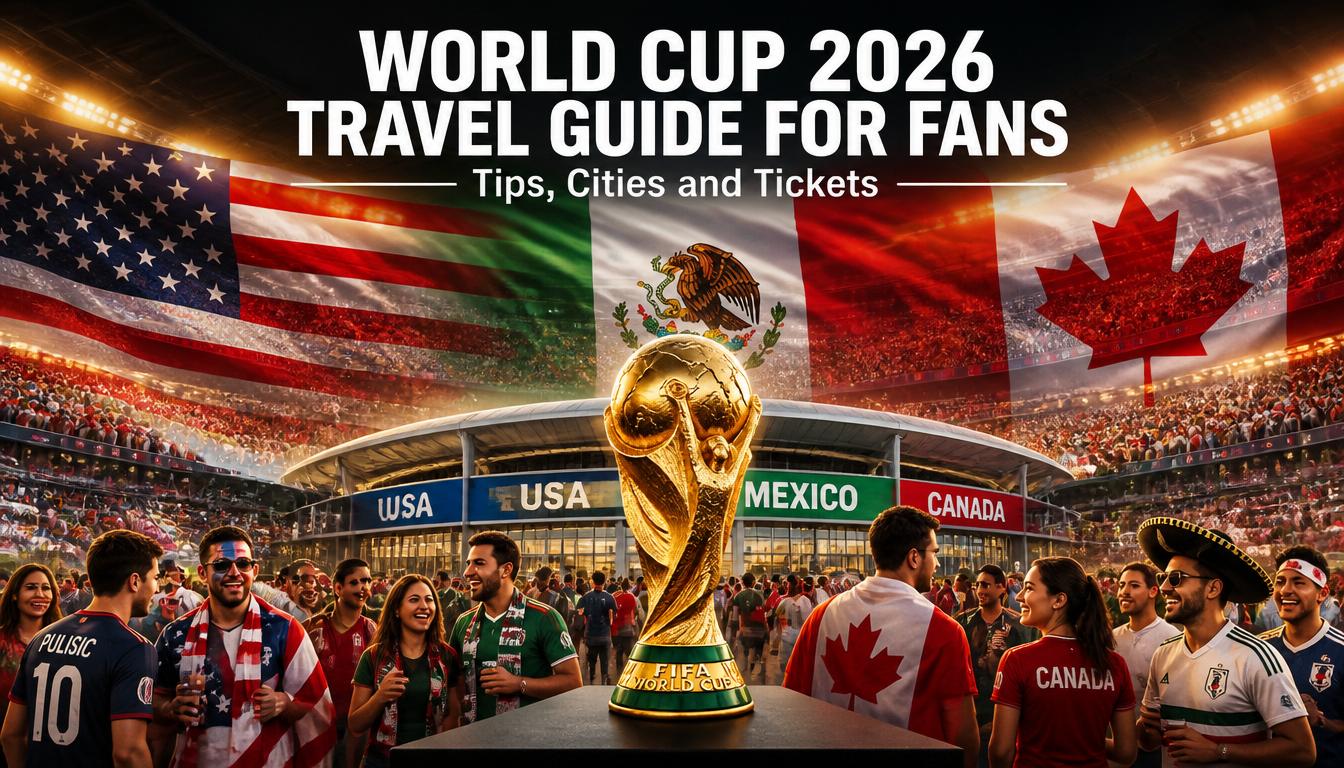
World Cup 2026 Travel Guide for Fans: Everything You Need to Know
The wait is finally over. The 2026 FIFA World Cup is here — and it is bigger, bolder, and more exciting than any tournament in football history. Running from June 11 to July 19, 2026, across three countries, 16 cities, and 16 state-of-the-art stadiums, this is the World Cup fans have been dreaming about for years.
Whether you are flying in from Europe, South America, Asia, or Africa, this World Cup 2026 travel guide for fans covers everything you need to plan the trip of a lifetime: host cities, tickets, visas, fan zones, accommodation, transport, budget, and more.
Let’s get into it.
Why the 2026 World Cup Is Like No Other Tournament
The 2026 World Cup breaks records before a single ball has been kicked:
- 48 teams competing for the first time ever (up from 32)
- 104 matches across the tournament (40 more than Qatar 2022)
- Three host nations — the United States, Mexico, and Canada
- The first World Cup ever co-hosted by three countries
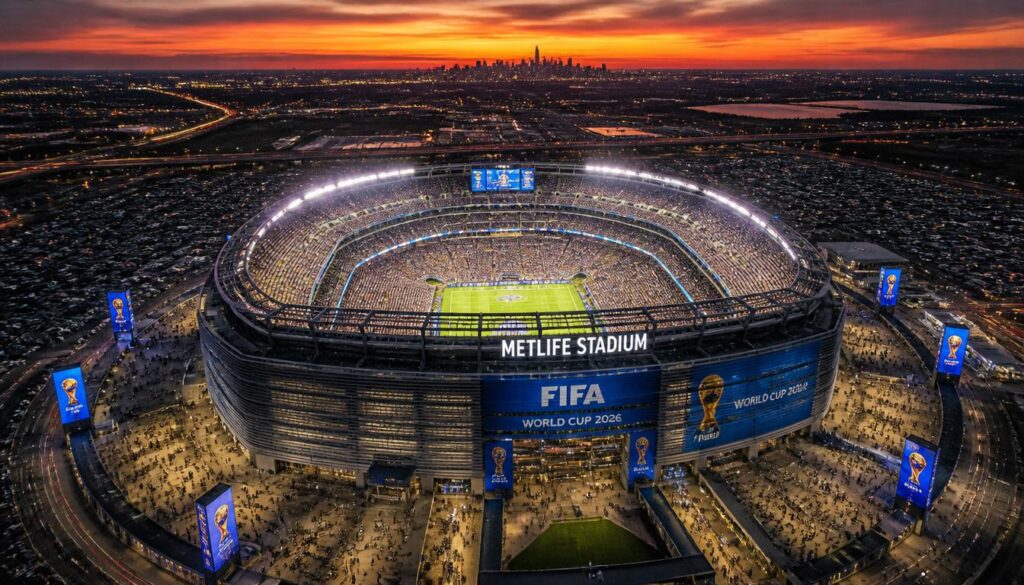
- The final on July 19 at MetLife Stadium in New Jersey, with a rumoured half-time show featuring Coldplay
For travelling fans, this multi-country format is a genuine adventure. You can watch a group-stage match in Mexico City, cross the border to catch a knockout game in Dallas, and then fly north for the final in New York. No previous World Cup has offered anything quite like it.
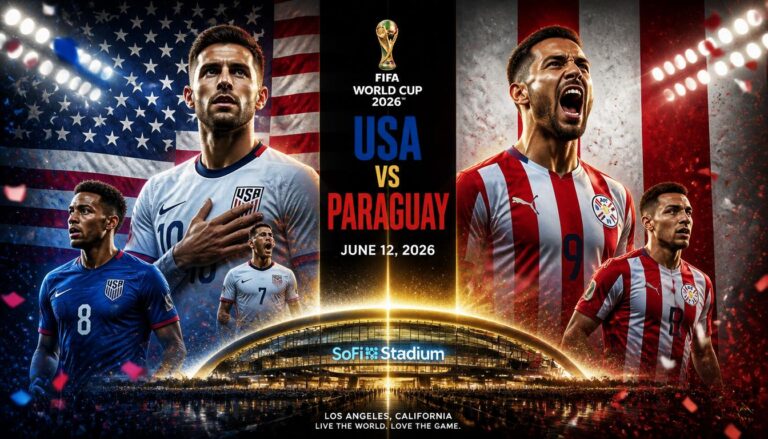
World Cup 2026 Group Stage Match Prediction
World Cup 2026 Host Countries and Cities
The tournament spans 16 cities across three countries. Here is the full breakdown:
United States Host Cities (11 cities)
The USA hosts the majority of matches, including all knockout rounds from the quarter-finals onward:
- New York / New Jersey — MetLife Stadium (Final venue)
- Los Angeles — SoFi Stadium
- Dallas — AT&T Stadium
- San Francisco Bay Area — Levi’s Stadium
- Miami — Hard Rock Stadium
- Atlanta — Mercedes-Benz Stadium
- Seattle — Lumen Field
- Boston — Gillette Stadium
- Houston — NRG Stadium
- Kansas City — Arrowhead Stadium
- Philadelphia — Lincoln Financial Field
Mexico Host Cities (3 cities)
Mexico is home to the opening match on June 11 – a historic moment at the iconic Estadio Azteca:
- Mexico City — Estadio Azteca (its third World Cup — a world record)
- Guadalajara — Estadio Akron
- Monterrey — Estadio BBVA
Canada Host Cities (2 cities)
Canada’s two host cities give fans a taste of North America’s stunning west and east coasts:
- Toronto — BMO Field
- Vancouver — BC Place
Best Host Cities for Football Fans
With 16 cities to choose from, picking your base takes a bit of thought. Here is a quick guide to the standout options for atmosphere, value, and travel experience:
New York / New Jersey — The final destination, literally. More matches than anywhere else, world-class entertainment, and an atmosphere unlike any city on earth. It is expensive, but worth every penny for the experience.
Mexico City — The opening match, the historic Estadio Azteca, unbeatable food, incredible culture, and some of the most passionate football fans on the planet are here. It is also one of the most affordable host cities for fans.
Miami — Tropical vibes, beach days between matches, and one of the best party atmospheres in the USA. A huge favourite with Latin American supporters.
Los Angeles — Hollywood glamour meets football fever. SoFi Stadium is world-class, and LA’s food, beaches, and entertainment make it a great multi-day destination.
Toronto — A genuinely multicultural city with a brilliant footballing culture. Home matches for Canada make for electric atmosphere, and the city is easy to navigate.
Houston — Consistently ranked one of the cheapest host cities for fans. Great for budget travellers, with affordable hotels, food, and transport.
How to Get World Cup 2026 Tickets
Tickets for the 2026 World Cup are sold exclusively through FIFA’s official platform at FIFA.com/tickets. Do not buy from third-party sellers — unofficial tickets carry a real risk of being voided at stadium gates.
Here is how the process works:
- Create a FIFA ID account at FIFA.com — this is mandatory for all ticket buyers
- Enter the ballot during the Random Selection Draw period
- Select your matches, preferred ticket categories, and number of tickets
- Successful applicants are charged automatically, with confirmation sent by email
- Digital match passes are delivered via the FIFA app
Tickets for late-stage matches (quarter-finals, semi-finals, and the final) are the hardest to secure. For group-stage games, particularly in less-hyped cities like Kansas City or Houston, availability tends to be better. Keep checking Ticketmaster’s official World Cup 2026 page for any last-minute releases throughout the tournament.
What Is the FIFA ID?
The FIFA ID is a free digital account that every ticket holder must have. Think of it as your personal match passport — it links your ticket to you and is required for stadium entry at all 16 venues. Crucially, the FIFA ID for 2026 is not a visa waiver — unlike Russia 2018 or Qatar 2022, it does not grant entry to any of the three host countries. You still need to sort your own visas separately.
World Cup 2026 Visa and Entry Guide
Navigating three different immigration systems is the trickiest part of this World Cup. There is no unified fan visa for 2026 — entry into each host country depends entirely on your nationality.
Travelling to the United States
- Visa Waiver Programme (VWP) nationals (UK, EU, Australia, Japan, etc.): Apply for an ESTA online at esta.cbp.dhs.gov — do this at least 72 hours before travel
- All other nationalities: Apply for a B-1/B-2 visitor visa — allow 3 to 6 months for the process
- FIFA has a FIFA PASS programme to help fans from visa-required countries secure priority visa interview appointments at US embassies
Travelling to Mexico
- Mexico offers visa-free entry for a wide range of nationalities, including the US, UK, EU, and many others
- For those who do require a visa, the Mexican visitor visa process is relatively straightforward
- US visa holders can often benefit from simplified Mexican entry
Travelling to Canada
- Visa-exempt nationals (UK, EU, Australia, etc.) need an Electronic Travel Authorization (eTA) — apply online before travel
- All other nationals: Apply for a Temporary Resident Visa (TRV) well in advance — at least 3 to 4 months before your trip
- A US visa does not automatically grant entry to Canada — check your requirements separately
Key tip: If you are attending matches in multiple countries, apply for all your entry documents at the same time — well before the tournament begins. Holding a confirmed match ticket strengthens your visa application by demonstrating a clear purpose of travel, but it does not guarantee approval.
When to Book Flights and Hotels for World Cup 2026
The short answer: as early as possible. The tournament is already underway, which means demand is extremely high and prices are climbing fast.
Here is what to keep in mind:
- Hotels in cities like New York, Vancouver, and Boston are filling up fast — and prices during the tournament are significantly higher than normal
- Mexico City, Monterrey, and Guadalajara remain the most affordable options, with average hotel rates substantially lower than US cities
- Houston is the most budget-friendly US host city, with hotel and food costs well below the US average
- If your team has already qualified for the knockout rounds, act immediately — availability around semi-final and final weekends is extremely limited
- Consider staying slightly outside the main tourist areas to find better prices — and use public transport to reach the stadiums
World Cup 2026 — Where to Stay
Choosing where to stay depends on your priorities: proximity to the stadium, access to city nightlife, or keeping costs down. Here is a quick city-by-city breakdown:
New York / New Jersey: Stay near Penn Station in Manhattan for easy transit to MetLife Stadium, or book in East Rutherford, NJ for match-day convenience.
Los Angeles: With no metro to the stadium, staying near a rideshare pickup point or in the Santa Clara area (Bay Area) makes sense for Levi’s Stadium matches.
Mexico City: Neighbourhoods like Condesa, Roma, and Polanco offer great value and easy transport to the Azteca.
Miami: South Beach puts you in the heart of the action — it is pricier but great for the full World Cup holiday atmosphere.
Toronto: Stay near Union Station or in the downtown core for easy access to BMO Field and the city’s restaurants and fan zones.
Houston: Great-value hotels are available throughout the city, making it the best stop on the trip for budget-conscious fans.
Pro tip: For a genuine experience, book accommodation in local neighbourhoods rather than tourist hotel strips. You will pay less, eat better, and get much closer to local culture.
Getting Around: Transport Tips for Each Host City
Navigating a new city on match day requires a bit of preparation. Here are the key tips:
- Plan your transport before you arrive — research each city’s public transport options and note any match-day service changes
- Download rideshare apps (Uber, Lyft) and get familiar with them before you land—confirm designated pickup zones near each stadium
- Keep cash handy as a backup for taxis, especially if you have phone or signal issues
- Budget extra time for traffic and stadium entry queues on match days — delays are common
- Mexico City and Monterrey have good metro and public bus systems that are very affordable
- New York, Boston, Seattle, and Toronto have reliable public transit networks connecting downtown areas to stadiums
- Los Angeles and Dallas are car-dependent cities — plan rideshares or shuttle services well in advance
- An eSIM or local SIM card is highly recommended for navigation and transport apps without roaming charges
Fan Zones and Things to Do at World Cup 2026
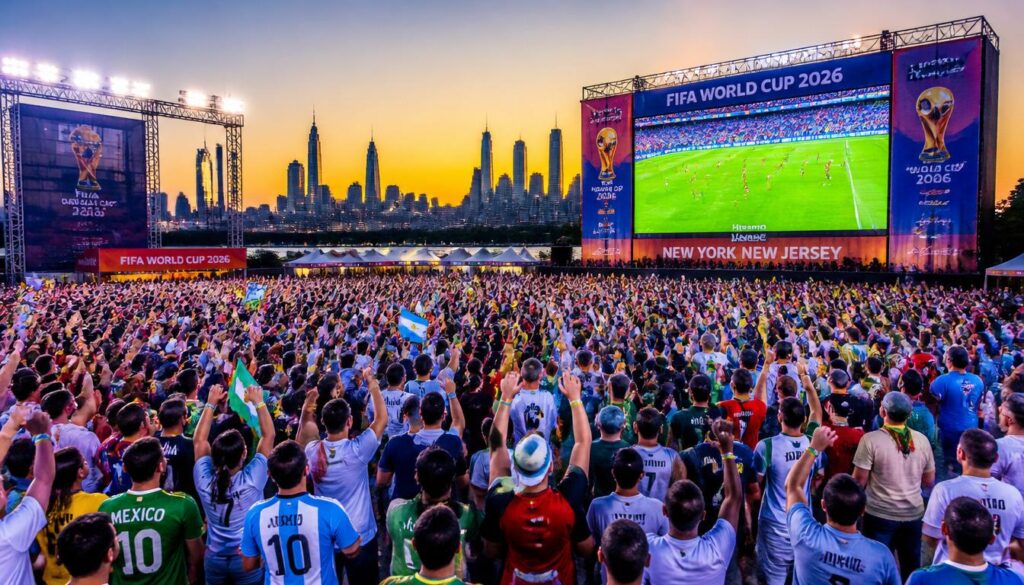
You do not need a match ticket to experience the World Cup. Official FIFA Fan Festivals are running free of charge across all 16 host cities throughout the entire 39 days of the tournament.
Key fan zone details:
- Free entry to the core fan zone experience in all cities
- Some cities — including NYC (Fan Zone Queens) and Kansas City — require a free advance registration via Live Nation or local portals before you travel
- Philadelphia and Dallas fan zones offer free walk-in on match days
- Budget around $30–$60 per person per day for food, drinks, and merchandise inside the fan zones — the entrance is free, but the experience inside is not
- Fan zones feature live match screenings, live music, local food vendors, merchandise, and community events
Beyond the fan zones, each host city offers its own unmissable experiences:
- Mexico City: Historic Zócalo square, incredible street food, the Templo Mayor, and pre-match culture in the Azteca neighbourhood
- New York: Central Park, Times Square, Brooklyn food scene, and a city that never sleeps during major sporting events
- Miami: South Beach, Art Deco architecture, Cuban food in Little Havana, and a famous nightlife scene
- Los Angeles: Santa Monica Pier, Hollywood, world-class museums, and unbeatable food across every cuisine imaginable
- Toronto: Distillery District, CN Tower, diverse food scene, and Niagara Falls just a short drive away
- Vancouver: Stanley Park, Granville Island Market, and stunning mountain and ocean views
World Cup 2026 Budget Planning
Costs vary enormously depending on which cities you choose and how you travel. Here is a realistic ballpark:
Budget range per fan (excluding flights):
| Expense | Budget Option | Mid-Range | Premium |
|---|---|---|---|
| Match tickets (per game) | $100–$200 | $300–$600 | $1,000+ |
| Hotels (per night) | $80–$150 | $200–$350 | $400+ |
| Food and drink (per day) | $30–$50 | $60–$100 | $150+ |
| Transport (per day) | $5–$15 | $20–$50 | $80+ |
Key budget tips:
- Mexico City, Monterrey, and Guadalajara are by far the most affordable host cities — hotel, food, and transport costs are significantly cheaper than in the US
- Houston is the most affordable US city for fans, with lower hotel and food costs than cities like New York, Boston, or Vancouver
- Vancouver is consistently the most expensive host city — budget significantly more for accommodation there
- Booking group-stage matches in less-glamorous cities can save hundreds of dollars on tickets
- Cooking your own meals occasionally and using public transport keeps daily costs well down
Safety and Travel Tips for World Cup 2026
The 2026 World Cup spans three countries with different safety considerations. Here are the essentials:
- Research your specific host cities — safety levels vary widely within each country, and host city venues themselves are generally well-managed and secure
- Get comprehensive travel insurance that covers medical emergencies, trip cancellations, and theft — this is essential for any international trip of this scale
- Register with your country’s embassy or foreign travel advisory service before departing
- Keep copies of all key documents — passport, visa, tickets, FIFA ID — in both digital and physical form
- Stay aware of your surroundings in busy fan zones and city centres, particularly around stadiums on match days
- Follow local laws and customs — rules and social norms differ between the US, Mexico, and Canada
- Stay hydrated — particularly in summer heat in cities like Miami, Houston, Dallas, and Mexico City, where temperatures during June and July can be intense
- Plan for long queues at stadium entry and at border crossings if crossing between host countries overland
6. HOST CITY COMPARISON TABLE
| Host City | Country | Best For | Travel Style | Fan Experience |
|---|---|---|---|---|
| New York / NJ | USA | Knockout rounds, Final | City break, premium | ⭐⭐⭐⭐⭐ — electric, global |
| Mexico City | Mexico | Culture + opening matches | Cultural immersion | ⭐⭐⭐⭐⭐ — passionate, historic |
| Miami | USA | Atmosphere + beach | Party / holiday | ⭐⭐⭐⭐⭐ — festive, Latin flavour |
| Los Angeles | USA | Entertainment + sightseeing | Sightseeing + matches | ⭐⭐⭐⭐ — glamorous, spread out |
| Toronto | Canada | Multicultural, Canada matches | City explorer | ⭐⭐⭐⭐ — diverse, well-connected |
| Houston | USA | Budget travel | Budget-conscious | ⭐⭐⭐⭐ — affordable, laid-back |
| Vancouver | Canada | Scenery + football | Nature + city | ⭐⭐⭐⭐ — beautiful, expensive |
| Atlanta | USA | Knockout matches, architecture | Sports fan | ⭐⭐⭐⭐ — dramatic stadium |
| Guadalajara | Mexico | Mexican culture + tequila | Cultural traveller | ⭐⭐⭐⭐ — authentic, affordable |
| Monterrey | Mexico | Value + Northern Mexico | Budget + adventure | ⭐⭐⭐ — great value, less touristy |
-
What is the best city to stay in for World Cup 2026?
It depends on your priorities. For the ultimate atmosphere and the biggest matches, New York / New Jersey is unbeatable — it hosts the final and more group-stage games than any other US city. For football culture and unbeatable value, Mexico City is the standout choice. For beach vibes and a party atmosphere, Miami is hard to beat. Fans following a specific team should base themselves in whatever city hosts their team’s group stage.
-
How early should fans book hotels for World Cup 2026?
The tournament is already underway as of June 2026, which means you should book immediately — demand is extremely high across all 16 host cities. For anyone planning trips around the semi-finals (July 14–15) or the World Cup 2026 Final (July 19 at MetLife Stadium), availability is critically limited and prices are surging. If you can be flexible on location, cities like Houston and Guadalajara still have better availability and far lower prices than New York or Vancouver.
-
Do I need a visa to attend World Cup 2026?
It depends on your nationality and which countries you plan to visit. There is no single World Cup 2026 fan visa — you must meet the standard entry requirements for each host country separately. UK and EU nationals can use an ESTA for the USA and an eTA for Canada. Many nationalities can enter Mexico visa-free. FIFA’s FIFA PASS programme can help fans from visa-required countries access priority US visa interview appointments. Always check requirements for each country you plan to visit, and apply well in advance.
-
What is the average budget for a World Cup 2026 trip?
Budget varies hugely depending on location and duration. As a rough guide, a 7-day trip attending two to three matches in a US city will cost between $3,000 and $6,000 per person when factoring in flights, accommodation, tickets, food, and transport. Choosing Mexican host cities — particularly Mexico City, Monterrey, or Guadalajara — can cut costs significantly, with hotel and food prices far lower than US equivalents. Houston is the most affordable US host city for the World Cup 2026 travel experience.
-
Are there fan zones during World Cup 2026?
Yes — official FIFA Fan Festivals are running free of charge across all 16 host cities for the entire 39-day tournament. These fan zones feature live match screenings, music, food, and merchandise. Some cities — including New York and Kansas City — require free advance registration before you arrive, so check your city’s requirements. Budget around $30 to $60 per day for food and drinks inside the fan zones even though entry itself is free.
-
Can I attend matches in multiple countries during World Cup 2026?
Absolutely — and it is one of the most exciting ways to experience this tournament. However, crossing borders means navigating separate visa and entry requirements for the US, Mexico, and Canada. A US visa does not automatically grant entry into Canada. Make sure you apply for all required travel documents well in advance if you are planning a multi-country World Cup 2026 trip.
-
When does the 2026 World Cup start and finish?
The 2026 FIFA World Cup runs from June 11 to July 19, 2026. The opening match is Mexico vs South Africa at the iconic Estadio Azteca in Mexico City on June 11. The final takes place on July 19 at MetLife Stadium in East Rutherford, New Jersey.




2 Comments