Champions League Knockout Predictions: How Away Goal’s Removal Changed Everything
If you’re trying to make a Champions League knockout prediction this season, the old tricks don’t work anymore. For decades, fans and pundits leaned on one golden rule: an away goal was worth more than a home goal. That rule is gone.
This guide is a beginner-friendly explainer, not an official rulebook. Think of it as a starting point to help you understand what changed and why it matters.
By the end, you’ll know how the away goals rule change affects UCL last 16 matchups, how extra time rules now work, and what factors actually matter when predicting knockout outcomes today.
What Was the Away Goals Rule, Anyway?
Before 2021, if a two-legged tie ended level on aggregate score, the team that scored more goals away from home would advance. A 1-1 draw at home followed by a 2-2 draw away meant the away-scoring team won on away goals.
This rewarded teams for attacking on the road, even in a losing effort. A single away goal could completely change a manager’s game plan.
UEFA scrapped this rule starting with the 2021-22 season. Now, aggregate score is all that matters. If it’s tied after both legs, the tie goes straight to extra time.
Why UEFA Removed the Rule
UEFA’s reasoning was straightforward: the away goals rule no longer reflected modern football. Home and away fixtures have become far more balanced thanks to better pitches, less hostile travel conditions, and improved broadcast-driven scheduling.
Critics also argued the rule punished home teams unfairly. A team that dominated the second leg at home could still lose on away goals from the first leg, even after playing better overall.
The removal was meant to create fairer, more logical outcomes based on actual performance across both matches.
How Extra Time Rules Work Now
Understanding extra time rules is essential for any champions league knockout prediction. Here’s the current process:
- Two legs, aggregate score decides it. Add up goals from both matches.
- Still tied? Straight to 30 minutes of extra time (two 15-minute halves).
- Still tied after extra time? Penalty shootout decides the winner.
There’s no golden goal and no away goals tiebreaker anymore. This makes extra time far more common in tight ties, especially between evenly matched sides.
What This Means for UCL Last 16 Predictions
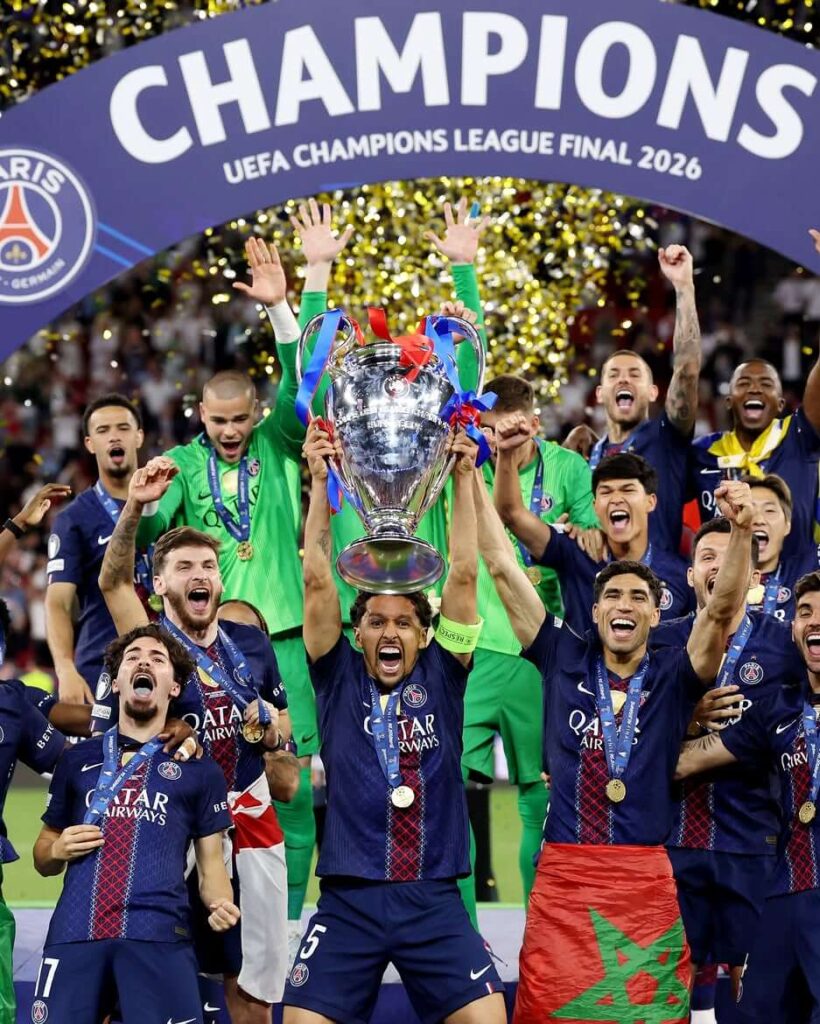
For the UCL last 16 stage, this rule change shifts strategy significantly. Away teams no longer get an automatic incentive to chase goals on the road.
Instead, managers often prioritize a solid defensive result away from home, saving attacking intent for the second leg in front of their own fans. This makes first legs slightly more cautious and second legs more decisive.
When making predictions, pay attention to:
- Home form in the second leg (teams now have a real “finish it at home” advantage)
- Squad depth for extra time (fitness matters more when draws are common)
- Penalty-taking history (shootouts happen more often now)
Also read: What Does “Clean Sheet” Mean in Football? Explained Simply
Tips for Making Smarter Knockout Predictions
A good champions league knockout prediction today should factor in more than just goal-scoring form. Consider these points:
- Aggregate mindset over single-leg heroics. Look at two-match trends, not one big away win.
- Extra time readiness. Check squad fitness and bench strength for 120-minute battles.
- Penalty shootout record. Some clubs and goalkeepers are statistically stronger under pressure.
- Home advantage in leg two. Teams hosting the second leg often have a psychological edge now.
- Manager tendencies. Some coaches set up conservatively away, others still go for it regardless of the rule change.
Final Thoughts
The away goals rule change was one of the biggest shifts in modern Champions League football. It removed a decades-old tiebreaker and replaced it with a simpler, fairer system built around aggregate score, extra time, and penalties.
For anyone following the UCL last 16 and beyond, understanding these updated extra time rules is key to making sharper, more informed predictions. Focus on overall two-leg performance, fitness for extra time, and penalty pedigree — not just who scored away from home.
What replaced the away goals rule in the Champions League?
Aggregate score now decides ties directly. If scores are level after both legs, the match moves to extra time rules, and if still tied, a penalty shootout determines the winner.
When did UEFA remove the away goals rule?
UEFA officially eliminated the away goals rule change starting with the 2021-22 season, affecting all UEFA club competitions including the Champions League.
How does this affect my champions league knockout prediction?
You should focus on overall two-leg form, home advantage in the second leg, and extra time or penalty readiness rather than away-scoring tendencies alone.
Are extra time rules the same for every knockout round?
Yes, extra time rules apply consistently from the UCL last 16 through the final: 30 minutes of extra time followed by penalties if the tie remains level.
Why did UEFA think the away goals rule was outdated?
UEFA felt that modern travel, pitch quality, and broadcasting had leveled the playing field between home and away matches, making the old advantage unnecessary and sometimes unfair.
Does the away goals rule change make draws more common in extra time?
Yes, many analysts note that tightly matched ties are more likely to reach extra time now, since teams aren’t rushing to score away goals just to gain a tiebreaker edge.