League vs Cup Competitions: What’s the Difference?
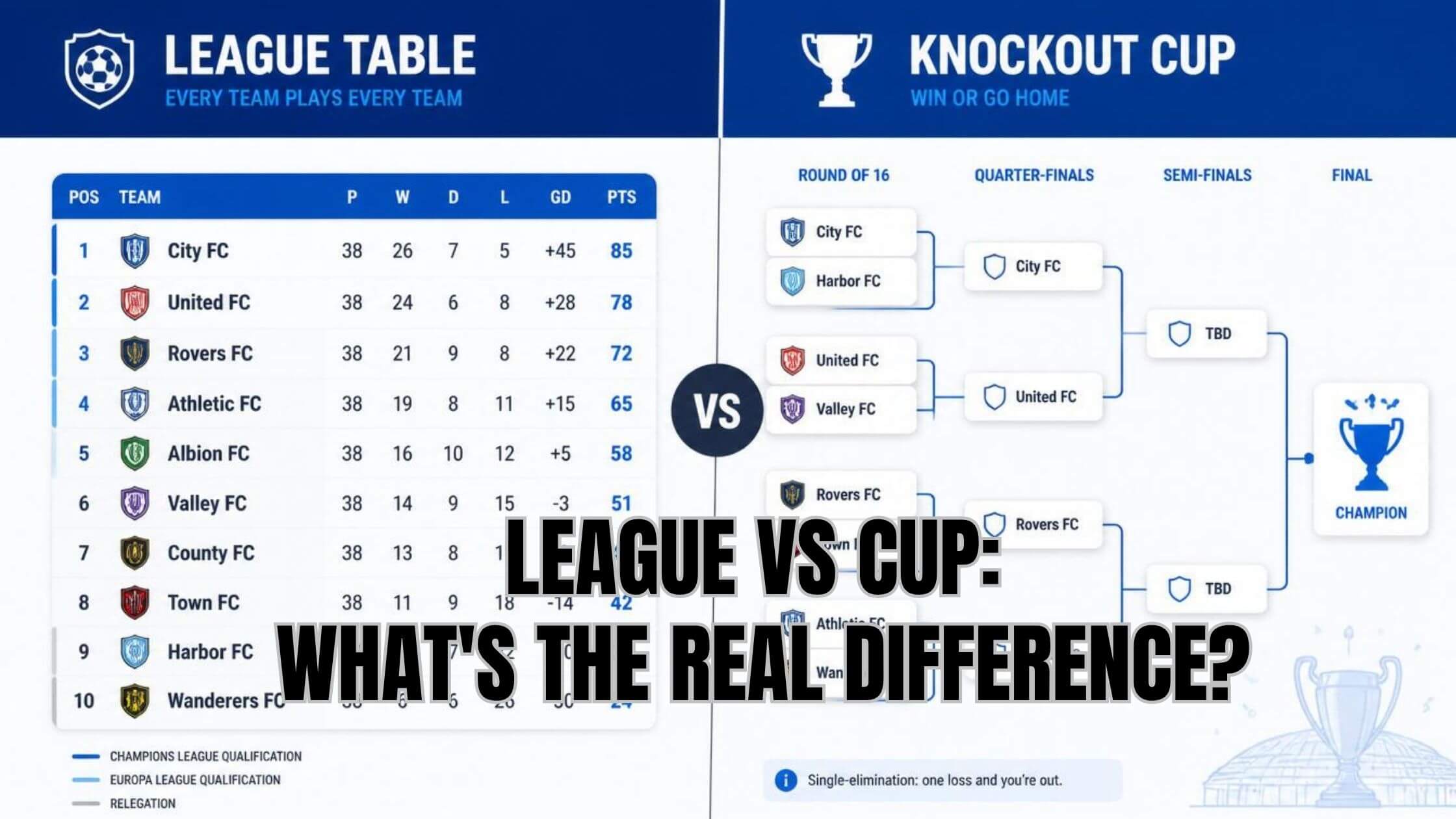
If you’re new to football, you’ve probably heard commentators talk about “the league” and “the cup” as if they’re totally different worlds. And honestly, they are.
Understanding how teams differ between league vs cup competitions is one of the first things that makes football click for new fans. Once you get it, half the confusing chatter around fixtures, rankings, and “which trophy matters more” suddenly makes sense.
This guide is a simple explainer, not an official rulebook. By the end, you’ll know how each format works, why teams treat them differently, and what to watch for as a fan.
1. What Is a League Competition?
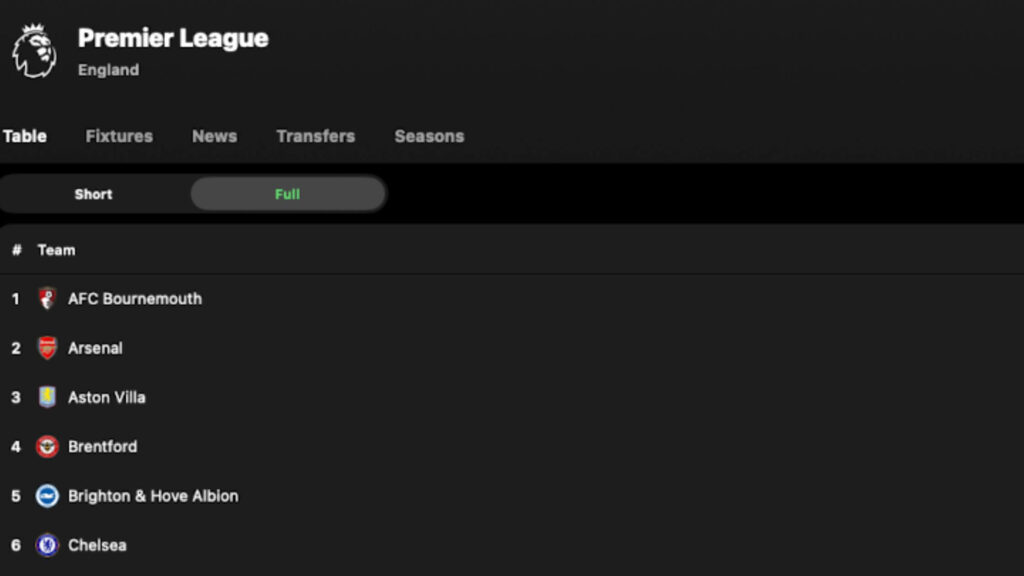
A league is a long season where every team plays every other team, usually twice—once at home, once away.
Points are earned for wins and draws, and they add up over months. The team with the most points at the end is crowned champion.
Example: In the Premier League, 20 teams play 38 games each across a full season. There’s no quick way out—consistency wins leagues, not one lucky night.
Also read: How to Predict a Football Match Results: 6 Factors That Matter
2. What Is a Cup Competition?
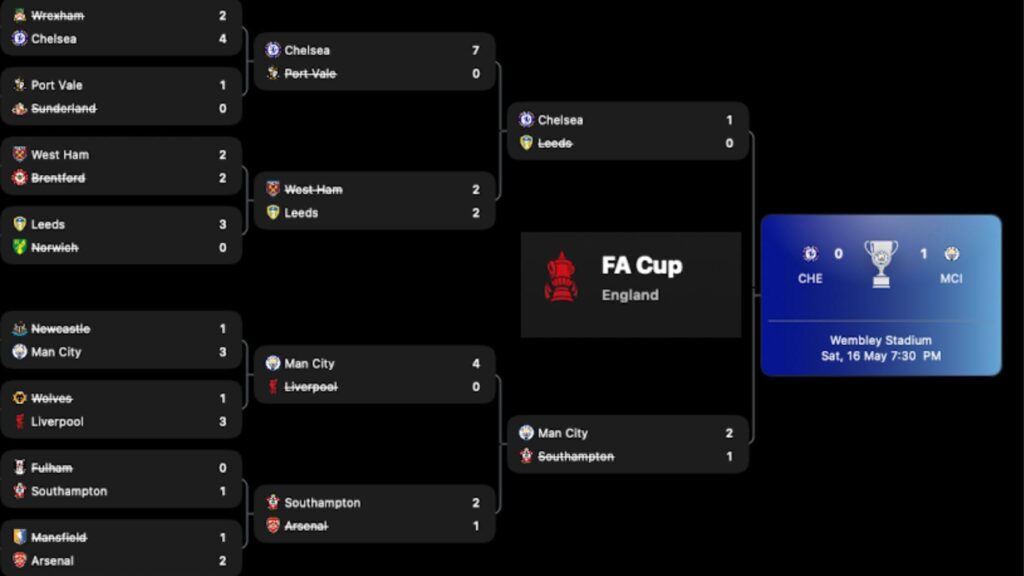
A cup competition works differently. It’s usually a knockout format, meaning one loss and you’re out.
Matches are often single games (sometimes two-legged ties), and the winner moves forward while the loser goes home. There’s no long season to recover from a bad result.
Example: The FA Cup famously creates “giant-killing” moments, where a small club can beat a Premier League side in a single match and eliminate them completely.
3. Key Differences Between League and Cup
Here’s where it helps to directly compare how league and cup competitions differ:
- Format: League is round-robin over a season; cup is knockout, often over weeks or months.
- Pressure: In a league, one bad game is forgivable. In a cup, one bad game can end your run.
- Scheduling: Leagues follow a fixed calendar; cups depend on how far a team progresses.
- Squad rotation: Managers often rest star players for cup games, prioritizing the league.
- Prestige: Both matter, but many fans see league titles as proof of consistency and cups as proof of big-match nerve.
4. Why Teams Prioritize Differently
Not all competitions get equal attention from clubs. Bigger teams often push hardest in the league, since it also determines qualification for continental competitions like the Champions League.
Cups, meanwhile, offer silverware without needing a full season of dominance—which is why underdog teams often treat cup runs as their best shot at a trophy.
This is also why you’ll sometimes see a top club field a “weakened” team in a cup match, only to bring back their strongest lineup for the next league fixture.
5. How Fans Should Watch Each Differently
Leagues reward patience. Standings shift slowly, and it’s worth tracking form over several matches rather than reacting to one result.
Cups reward drama. Every match could be a team’s last in that competition, so tension and shocks are part of the appeal.
Knowing this difference helps you set expectations — a mid-table team losing a league game isn’t a crisis, but the same team getting knocked out of a cup ends their chase for that specific trophy.
Also read: Football Rules for Beginners: The Complete Starter Guide
Final Thoughts
To sum it up: leagues are a marathon decided by consistency, while cups are a sprint decided by knockout drama. Neither format is “”better”—they just measure different things.
Once you understand how teams differ between league and cup play, watching football becomes a lot easier to follow—and a lot more fun.
What is the main difference between league and cup competitions?
Leagues are played over a full season with points accumulated across many matches, while cups are usually knockout formats where one loss eliminates a team. This is the core way teams differ between league and cup football.
Can a team win both a league and a cup in the same season?
Yes—this is called a “double,” and it happens when a club performs consistently well over the season while also surviving every knockout round in a cup competition.
Why do managers rest players for cup matches?
Because leagues often carry more long-term importance, like European qualification, managers sometimes prioritize squad freshness for league games over cup fixtures.
Are cup wins less prestigious than league titles?
Not necessarily—cups are still major trophies, but they reward a different skill: performing under pressure in single elimination matches rather than over an entire season.
Do all cup competitions use single matches?
No, some cup rounds use two-legged ties (home and away), especially in later stages, though many early rounds are single knockout matches.
Why do smaller teams often focus more on cup competitions?
Because cups give underdog teams a realistic shot at silverware without needing to be the most consistent team across a 38-game season.